
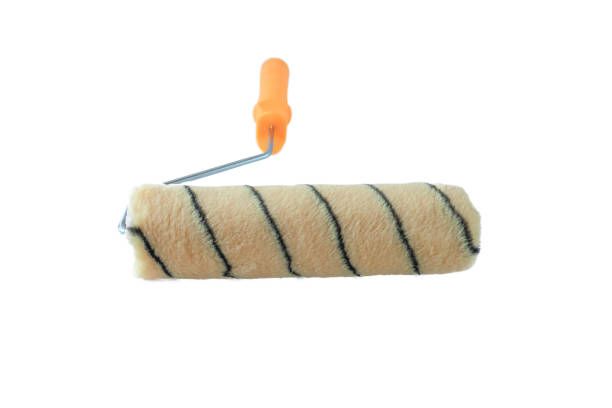
Painting looks easy until you roll a wall and somehow end up with tiny droplets on the floor, your shoes, and everything else nearby. The roller cover has a lot to do with that. A microfiber paint roller is built to pick up and release paint efficiently, which is why many painters reach for it when they want a cleaner, smoother application. It can carry a surprising amount of paint without feeling overloaded, and when used properly, it tends to throw less paint around. But microfiber isn't magic. There are surfaces and coatings where another roller makes more sense.
What Makes Microfiber Different?
Microfiber roller covers use very fine synthetic fibers packed into the cover. Those fibers create a dense surface that can grab and hold paint rather than letting it sit loosely on top. That matters because a roller that holds paint well doesn't need to be dipped every few seconds. You load it, roll it out, and keep moving. Pretty simple. The dense fibers also help spread paint more evenly, especially when the painter uses moderate pressure instead of trying to force every last drop out of the cover. A good microfiber cover can feel almost soft in your hand, but there's quite a bit going on inside that little roller sleeve.
Why Microfiber Holds More Paint
The main advantage is paint retention. Microfiber fibers create lots of tiny spaces where paint can stay while the roller is being moved across the surface. Instead of immediately dumping the paint onto the wall, the cover releases it gradually as you roll. This gives you more working time between reloads. That's especially useful on larger walls, ceilings, and other broad areas where constantly walking back to the tray gets old fast. Truth is, fewer trips to the tray can make a noticeable difference during a long painting job. You still need to load the roller correctly, though. Too much paint is too much paint, regardless of the cover.
Less Splatter Doesn't Mean No Splatter
Here's where microfiber gets a lot of attention. Because the fibers hold onto the coating more securely, there's generally less loose paint being flung from the roller as it spins. This is useful when you're working quickly or painting above shoulder height. A cheap or poorly loaded roller can create little paint freckles all over the room. Nobody enjoys cleaning those. Microfiber can help reduce that mess, but technique still matters. Rolling too fast, pressing too hard, or overloading the cover can still create splatter. Keep the roller moving at a controlled pace. You don't have to race the wall.
The Finish Can Be Surprisingly Smooth
Microfiber covers are also known for laying down a relatively smooth finish. The fine fibers can distribute paint without leaving the heavier texture you sometimes see from thicker or rougher roller covers. That's handy for properly prepared drywall, smooth doors, and other surfaces where roller texture is something you want to keep under control. The key phrase is properly prepared. No roller cover can hide a wall that's full of bumps, dust, old flaking paint, or bad patchwork. If the surface is rough, the finish will still show it. Maybe not immediately, but give the paint time to dry and it'll tell on you.
Where Microfiber Rollers Start to Fall Short
Microfiber isn't the answer for every painting job. On very rough masonry, heavily textured walls, or surfaces with deep irregularities, a thicker nap may reach into the texture better. Microfiber covers can also take a little getting used to. They hold plenty of paint, which is great, but an inexperienced painter may load too much and then wonder why the first few passes look heavy. Some coatings can behave differently too. Thick products don't always flow through a dense microfiber cover as easily as thinner paints. So before buying a whole box of one roller type, think about the surface and coating first.
The Right Nap Still Matters
Not every microfiber roller is identical. Nap length makes a difference, even with a dense microfiber cover. Smooth walls generally need a shorter nap, while moderately textured surfaces may need something with more depth. The goal isn't to pick the thickest cover you can find. That's an easy mistake. You want enough fiber to carry and release the paint while still matching the surface. Using a deep nap on a smooth wall can add texture you never wanted. Using a very short nap on a textured surface can leave missed spots and force you to keep going back over the same area.
Where a 4-Inch Roller Makes More Sense
Large rollers are useful when you're covering a wall, but they aren't always convenient around cabinets, doors, narrow sections, trim, or tight spaces. That's where a 4 inch mini paint roller earns its place. A small microfiber sleeve can give you many of the same paint-loading and controlled-release benefits without the awkwardness of a full-size frame. It's easier to handle around edges and smaller sections, and you have better control when the space doesn't give you much room to swing a larger roller. It won't replace a full-size roller for broad walls. That's not what it's for.
Don't Blame the Roller for Everything
Sometimes the roller gets blamed for a bad finish when the real problem happened before painting even started. Dust, grease, loose paint, poor sanding, unprimed patches, and uneven repairs can all affect the final result. Paint consistency matters too. If the coating isn't mixed properly or has started thickening, even a quality microfiber cover can struggle. Then there's technique. Keeping a wet edge, using sensible pressure, and not repeatedly rolling over drying paint can make more difference than switching brands. The roller is important, sure. It isn't doing the entire job for you.
Choosing Microfiber for the Job
For painters who want good paint pickup, controlled release, less splatter, and a smooth result on suitable surfaces, microfiber is a solid option. It works especially well when you're trying to cover larger areas without constantly reloading. But don't treat it like a universal roller cover. Rough surfaces, heavy textures, and certain thick coatings may call for something else. The short answer is: match the cover to the job. If microfiber fits the surface and paint you're using, it can make the work cleaner and a little less frustrating. And honestly, that's half the battle with painting anyway.