
Where there's a construction site, there's storage space needed, and as the project grows more complex, storage can quickly become a huge issue. Building tools, inventories, supplies, and equipment all need to be stored somewhere. If you just leave it all lying around, well, that's not going to end well. Storage container rental is a flexible way for contractors, business owners, and property managers to get the right space without it costing too much. However, not all companies are the same, offering different types of containers, rates, and delivery options. Having 2 or 3 companies on the front of your mind before committing to one can make a huge difference and can help you rest assured you're getting a good deal.
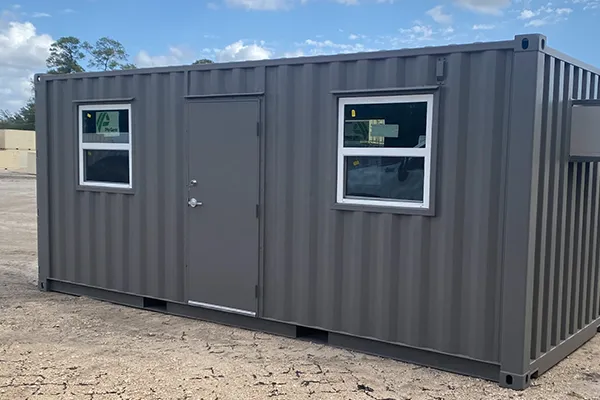
Select the Appropriate Container Size for Your Application
Seems simple, but so many folks make the mistake of underestimating container size. If you're storing only hand tools, supplies, and a small amount of inventory, a small container will do. If you're storing a large amount of inventory or doing a large construction project, you will need a larger container to store things like lumber, drywall, and large machinery. First think about what you're storing, then consider what you might get in the next month or two. Do you want to get a container that is full before you even get started, or are you going to be paying for extra space that you never use? Speak with your rental company for details on size options and find out how much "usable" space is in each. It can save you from renting an extra container once the job gets bigger.
Check Container Condition, Security, and Weather Protection
A storage container should safeguard your possessions, not add another problem to your list. When shopping for a supplier, inquire about the condition of the containers and whether they're checked out prior to each delivery. Doors should open and close easily, locking devices should be functional, and the integrity of the structure should be unquestioned. Look for obvious holes, broken door seals, and any evidence of water intrusion. Weatherproofing is especially important when you're storing power tools, electrical supplies, boxed products, or other items susceptible to moisture damage. Security is another major issue, particularly on a construction site where valuable equipment is vulnerable to theft or damage. Find out if the container has lockable doors and whether or not a lock is provided. Remember, a lockable container minimizes risk, but it doesn't eliminate the possibility of theft or loss. Be sure you know who is responsible if anything happens to the goods during the rental period.
Compare Rental Costs and Read the Fine Print
Price, of course, counts. But the cheapest storage container rental company isn't necessarily the best deal, especially if you've got hidden costs in the fine print. For instance, one company might simply have a weekly or monthly rate, while another might charge for placement, delivery, pickup, and rental extension fees. And you need to know all the costs upfront. Know whether the price includes applicable taxes and if there's an additional fee for going over your allotted rental time. Charges for early removal or late pick-up are also important to ask about. No one wants to get to the end of their project to find a surprise on the final invoice. Get the main pricing in writing, and get quotes from several companies with the same period of time and size of container to compare. This way, you can see who can really save you money - and get the right fit for your needs.
Check Delivery Access and Location Needs
A quality container is useless if the rental company can't get it to the location you want. Be clear about delivery access when you make your reservation. The driver needs space to get onto your property, travel around, and deploy the container without incident. Make sure branches, tight turnarounds, electrical lines, rough terrain, or proximity to structures won't be an issue. Construction sites and landscapes are in constant flux, so a spot that's perfect a month from now may not be ideal when the container arrives. Consider how construction traffic will access the unit and whether the container will impede the flow of vehicles, equipment, or materials. Clarify with the rental company whether you will need to prepare the site and if there will be additional charges for relocation later in the project. You should also be aware of any city or HOA restrictions if the container will be in a publicly visible or common area.
Inquire About Rental Terms and Support
Nothing always goes according to plan. Sometimes delivery is delayed, pricing deadlines are pushed back, and businesses require additional storage at the last minute. This is why a little flexibility is valuable when selecting a container rental company. Determine if you are able to get an extension on the rental period without having to replace the unit or rent an additional unit. Ask whether there is a requirement for notifying them of your desire to have it picked up early and if it is able to be done on short notice if needed. This is where customer service can be crucial. It is best to communicate with an individual who is able to provide you with a straightforward response when your delivery is late, or there's a problem with the door. Look for indications of how the company handles questions prior to lease. If getting the basic information is difficult, this is likely not a company to use. Search for reviews whenever possible, but don't always make the star rating your sole focus. Reviews about punctual delivery, professional communication, and issues being fixed could be a better marker.
Think About Storage Requirements Aside from the Current Project
As a job develops, your storage needs could change, so it is worth looking a little further ahead. For example, a contractor might require additional space to temporarily keep tools and building materials or equipment as phases of work are completed. Retailers or other businesses might need additional temporary space for surging inventory levels to get through busy seasons, building projects, or while preparing to move. At that time, determine whether the company offers various-size containers or extra units should your requirements grow. You should also determine how frequently you need to access stored objects. If your staff is constantly transferring supplies in and out of storage, how you place and arrange your containers becomes critical. Keep items you use regularly close to the door, and do not pile bulky supplies in potentially unsafe configurations. Finally, double-check the company's policies on off-limits items and special storage stipulations. Storage of chemicals, petroleum, and other explosive or noxious substances may be prohibited, and may require special handling. Just because you rent a container doesn't mean you can put anything you want inside of it.
Ask about the Provider's Credentials and Services Offered
Experience really can count – especially when you're trying to get storage on a busy construction site or at a business site where you simply cannot afford to be delayed. Find out how the company manages delivery schedules and access issues, how they plan to deal with maintenance problems and collection after the term ends. A provider who's been involved with construction work before will understand why it's important to get containers placed with care, and why it's key to get a trusted delivery schedule. Ask whether there are other services that might help you out. Many construction sites with a lot of staff benefit from having temporary toilets on site, for example. Ask whether the company also rents out portable toilets or whether they know of a company that does; if they provide both kinds of service, then it's easy to organize both at once – making the whole site a lot easier to get around. But always check what's available, what the conditions are, and whether they can satisfy your delivery needs.
Conclusion: Make the Decision Based on Practical Needs
Is it a chore to find a storage container rental company? There is a lot of work involved, but it doesn't have to be complicated. The first thing to do is to evaluate exactly how much space you will need, what you're going to store, and how long you will need the storage container to be on-site. After that, look at the condition of the storage units, security levels, the method of delivery, costs, and ease of rental. If you're managing a construction site, you may also need portable restroom rental services to ensure workers have access to convenient sanitation facilities. Also, don't forget to read the rental agreement before you pay, lest the very reasonable asking price for one unit turn into a service that makes your life more difficult. When you are managing a construction site, running a small business, or just have an immediate storage need, the right mobile storage container is absolutely essential. Don't skimp on the company you choose to work with; you can either make your job even more difficult or simpler.