
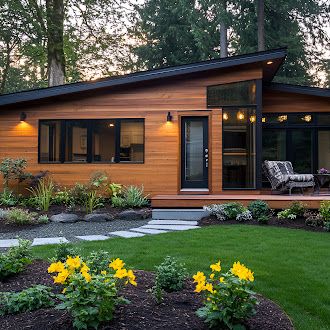
Going tiny sounds easy when you first think about it. Cut the space, cut the junk, life gets simpler. That’s the idea anyway. But once you start talking to tiny house experts, things shift a bit. It stops being this clean, minimal dream and turns into… decisions. Lots of them. Some small, some oddly stressful for something that’s supposed to be “simple living.” You’re not just buying a structure, you’re shaping it while it’s being built, and that comes with a bit of back-and-forth, a few second thoughts, and yeah, the occasional “wait, do I actually need this?”
Design Isn’t Just Picking a Layout
Most people go in thinking they’ll choose a design and tweak a few things. That idea usually doesn’t last long. Builders start asking questions that feel almost too specific. Like where you usually sit with your phone. Or if you actually cook or just like the idea of cooking. At first it feels unnecessary. Then it clicks. In a small space, your habits matter more than your preferences. A bad decision here isn’t hidden in another room—it’s right there, every day, getting on your nerves. So yeah, the design phase can feel slow and a bit intense, but there’s a reason for it.
Money Talk Can Get Awkward
There’s this assumption that tiny homes are automatically cheap. Sometimes they are. Sometimes… not really. Once you start adding custom features, better materials, things that make daily life easier, the number climbs. Not out of control, but enough to make you pause. Builders will break it down for you, what’s included, what’s extra, what you probably forgot to think about. And there’s always something you forgot. People usually end up adjusting their plan a bit here. Cutting one thing, keeping another. It’s normal. Still a little painful, but normal.
Timelines Don’t Always Behave
You might get an estimate for how long the build will take. Treat it as a rough guide, not a promise carved in stone. Some parts move quickly, others drag. Weather plays a role, supply delays pop up, small issues slow things down. Then suddenly things pick up again. It’s uneven. Not chaotic, just… not perfectly smooth either. Good builders keep you posted, even if the update is basically “we’re waiting.” Which isn’t exciting to hear, but at least you know what’s going on.
You’ll Hear “No” Sometimes
This catches people off guard. You come in with ideas, maybe a whole saved folder of inspiration, and then the builder pushes back. Not everything works in a tiny structure. Weight limits, road rules, basic physics—those don’t bend much. It can feel frustrating in the moment. But most of the time, they’re saving you from a bad call. The process works better when you’re open to adjusting things instead of trying to force every idea through.
You Can’t Fully Check Out of the Process
Some people try to stay hands-off once things get going. That usually doesn’t end great. You don’t need to hover, but you do need to stay in the loop. Ask questions when something doesn’t make sense. Speak up if a detail looks off. Early changes are simple. Late ones… not so much. Builders aren’t guessing what you want, they’re working with what you tell them. So yeah, staying involved matters more than people expect.
The Not-Fun Stuff Is Still Part of It
Permits, zoning, where the house is actually going to sit—this part gets ignored way too often. Then it becomes a problem later. Different places have different rules, and some of them are stricter than you’d think. You might be allowed to build it, but not park it where you planned. Or hookups become an issue. It’s not exciting work, figuring all that out, but it saves a lot of frustration down the line.
Local Builders Just Get It Faster
There’s something to be said for working with people who already know your area. If you’re dealing with tiny house builders in Colorado, they’re already thinking about cold weather, insulation, snow load, things that might not even cross your mind at first. That kind of built-in awareness helps. You spend less time explaining, less time correcting, fewer surprises later. It’s just smoother, in a quiet way.
Plans Change Midway (Usually)
Even if you start out very sure of what you want, something tends to shift during the build. Maybe you realize a feature isn’t as useful as you thought. Or a better idea comes up halfway through. It happens. As long as changes come early enough, it’s fine. Builders expect it. Honestly, a project with zero changes from start to finish would be a bit unusual.
Take the Final Walkthrough Seriously
When it’s done, don’t rush through it just because you’re excited. Slow down and actually look at things. Open cabinets, check finishes, test whatever you can. Small issues are easier to deal with before everything’s signed off and handed over. Most builders will fix things if you point them out. They won’t if you don’t notice them until later.
Conclusion
Working with tiny home builders isn’t complicated, but it’s not as effortless as people imagine either. It’s a bit of a process. Some parts feel smooth, others feel slower or slightly frustrating. That’s just how it goes. Stay involved, keep expectations realistic, and don’t ignore the boring details—they matter more than they seem. In the end, you get something that actually fits how you live, not just something that looked good on a screen. And yeah, that difference shows up every single day.