
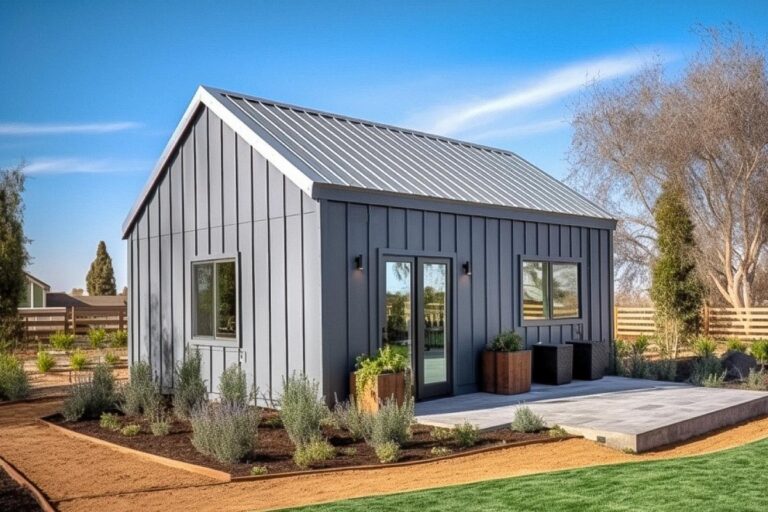
People mix these two up all the time. ADU, tiny house—sounds similar, feels similar, but they’re not the same thing once you actually try to build one. I’ve had conversations where someone was dead sure they could just drop a tiny home in the backyard and call it done… yeah, it doesn’t work like that. Even folks who follow the space closely, including some tiny house experts, still argue about where the line really sits. That should tell you something. If you’re putting money into this, or planning to live in it, you don’t want to guess your way through it.
What Exactly Is an ADU?
An ADU—Accessory Dwelling Unit—is basically a second home on the same property as your main house. But it’s not some casual add-on. It’s permanent. Built on a foundation, tied into utilities, approved by the city. You can attach it, convert a garage, or build it out back. Doesn’t matter, the rules still apply. Permits, inspections, zoning checks… all of it. It’s slower, sure, sometimes frustrating, but at least you know where you stand. Once it’s done, it counts as real living space. Not temporary, not “sort of allowed.” It’s official.
What Is a Tiny House, Really?
Tiny houses lean the other way. Most are built on trailers, which already changes the whole conversation. They’re meant to move—or at least have that option. Some people love that freedom. Others never move them an inch. Still, the design follows that idea: compact, efficient, a bit scrappy sometimes. Usually under 400 square feet, give or take. You’ll see loft beds, tight kitchens, stairs that double as storage… clever stuff, but not always comfortable long-term. And legality? That’s where things get shaky. It depends where you are, and even then, the rules can feel… half-finished.
The Big Difference: Permanent vs Mobile
If you strip it down, this is the real divide. ADUs stay put. Tiny houses don’t have to. That one detail ripples into everything else. Financing gets easier with ADUs because banks understand them. Insurance is more straightforward. Property value goes up. With tiny homes, it’s a bit of a different story. Sometimes they’re treated like RVs. Sometimes like nothing at all, legally speaking. That can get awkward fast if you’re trying to live in one full-time on your own land.
Zoning and Legal Headaches (Yeah, They Matter)
Here’s where people usually hit a wall. ADUs come with rules, no doubt—but at least they’re written down. You follow the process, check the boxes, and you’re good. Tiny houses? Not so clean. One area might allow them as backyard units, another might ban them outright, and a third will say “maybe” with a list of conditions that doesn’t fully make sense. You end up calling offices, getting different answers, going in circles. It wears people out. If you hate uncertainty, this part alone might push you toward an ADU.
Cost Differences (Not Always Straightforward)
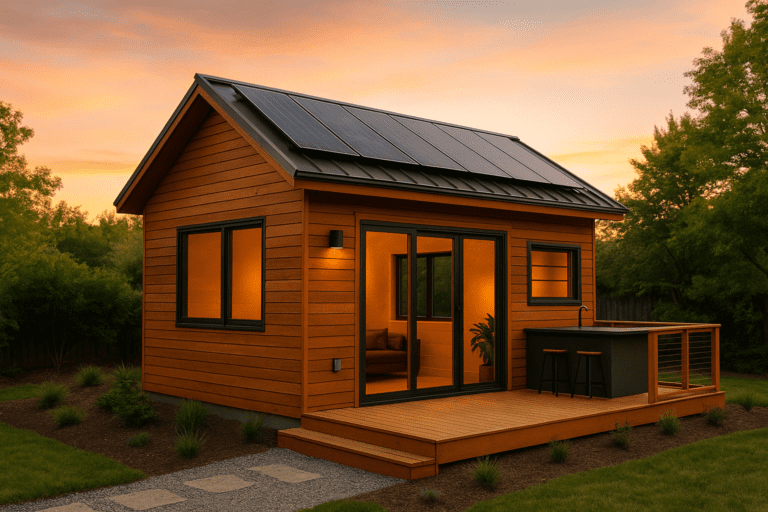
There’s this idea that tiny houses are always the cheaper route. Sometimes, yeah. But not always. A well-built tiny home—good insulation, solid plumbing, decent materials—it adds up quicker than people expect. Then you’ve got to think about where it goes, how it hooks up, whether you need permits anyway. ADUs cost more upfront, no question. Foundations, labor, approvals… it stacks. But they also add value to your property in a way tiny houses usually don’t. So it’s not just about the price tag at the start. It’s what you get back later, too.
Living Experience: What It Actually Feels Like
This part gets glossed over a lot. Living in an ADU feels… normal-ish. Smaller, sure, but still like a house. You’re not constantly adjusting your movements or thinking about where to put things. Tiny houses are different. You notice the size every day. Climbing into a loft, ducking a little, figuring out storage like a puzzle. Some people enjoy that. Feels intentional. Others get tired of it faster than they expected. It’s not bad, just—very specific. You’ve got to be honest about whether that fits you.
Working With the Right Builder Matters More Than You Think
This isn’t something you want to wing. ADUs especially need someone who understands the system—permits, codes, inspections—the whole process. A solid adu builder can save you weeks, sometimes months, just by avoiding dumb mistakes early on. Tiny house builders are a different crowd. More focused on design tricks, mobility, making small spaces work. That’s great, but if they don’t understand local rules, you can still end up stuck. Either way, the wrong choice here tends to show up later… and it’s rarely cheap to fix.
So, Which One Should You Choose?
Depends what you actually want, not what sounds cool. If you’re thinking long-term—extra rental income, space for family, boosting property value—ADU makes more sense. It’s stable. Recognized. A bit of a grind to get done, but solid. Tiny houses are more about flexibility. Lower commitment, maybe a different lifestyle altogether. But they come with trade-offs, and some of those only show up after you’ve already committed. That’s the part people don’t always talk about.
Conclusion
At the end of it, ADUs and tiny houses aren’t competing as much as people think. They just serve different purposes. One is tied to land, structure, and long-term value. The other leans into mobility and simplicity, sometimes at the cost of certainty. Neither is wrong. But choosing without really understanding the gap between them—that’s where people get burned. Take a little extra time upfront. It’ll save you a lot of trouble later.