
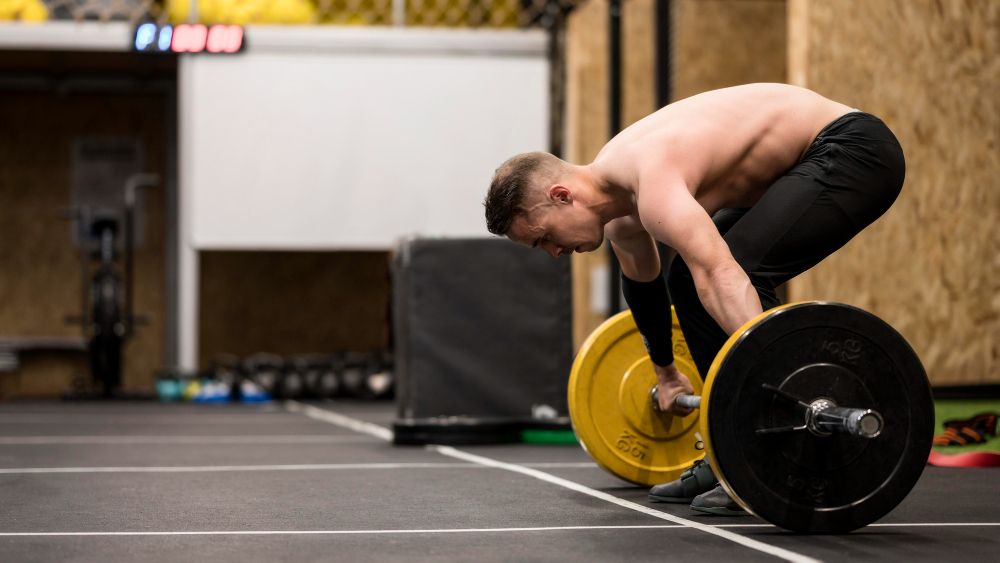
You know that feeling when we reach the gym, headphones on, full energy… and we are already thinking about the heavy lifts? Squats, deadlifts, bench press… straight into it. No waiting. No slow start.
We have all been there.
But then halfway through the session, something feels off. Hips feel tight. Shoulders are not moving right. Or worse… that annoying little strain shows up in the lower back. And suddenly the workout does not feel so great anymore.
That is usually the point where people realise something simple was missing… a proper warm-up.
And if we are honest, a good warm-up is not some fancy routine. It is just about getting the body ready so the main lifts actually feel smooth instead of forced. This is something we often start noticing early on when learning through a Personal Training course Brisbane, where the focus slowly shifts from just “lifting heavy” to actually moving better.
So let us break it down in a simple, real way.
Start by just getting the body moving
We do not need to overthink this part.
Before anything heavy, we just need to wake the body up a bit. Nothing intense. No burnout cardio. Just enough to stop feeling stiff and slow.
A short walk on the treadmill, easy cycling, a bit of rowing… even just moving around the gym floor works fine. Some days we feel like doing more, some days we barely want to do anything at all. That is normal.
The point is simple… we are telling the body “hey, we are about to train now.”
And honestly, it makes a big difference when we have been sitting all day. The body can feel a bit like a stiff rope at first. A few minutes of movement helps loosen that up.
Don’t jump into static stretching too early
This is where a lot of people go a bit off track.
We see people holding long stretches before lifting heavy weights. It looks productive, but it sometimes makes the body feel too relaxed… almost sleepy.
Instead, we want movement that feels active.
So things like:
- Leg swings that are controlled, not rushed
- A few bodyweight squats
- Walking lunges across the floor
- Light arm circles or shoulder rolls
- Band pull-aparts if we have a resistance band nearby
Nothing complicated. Just moving through ranges we are about to use in the workout.
Sometimes even one or two rounds is enough. Other days we might need a bit more. We just listen to how the body feels instead of rushing through it.
Warm-up sets are where things really change
This part is honestly where the magic happens.
A lot of people skip proper warm-up sets and jump straight into their working weight. Then the first heavy rep feels awkward, slow, and sometimes even risky.
Warm-up sets are not about tiring ourselves out. They are about teaching the body what is coming next.
Let us say we are going into heavy squats. Instead of loading the bar straight away, we build up slowly.
Empty bar for a few reps… just to groove the movement.
Then a light load for a few reps.
Then a bit heavier.
And slowly we reach working weight.
Nothing rushed. No ego lifting here.
It is more like… “okay body, this is the movement, let us get comfortable with it.”
And once we do this regularly, the difference is noticeable. The heavy sets feel smoother and way more controlled.
Pay attention to what feels tight that day
This is something we often ignore.
Some days the hips feel stiff. Other days it is the shoulders. Sometimes even ankles feel weird for no real reason at all.
Instead of forcing the same warm-up every time, we adjust a little.
If shoulders feel tight, we spend extra time opening them up. If hips feel stuck, we focus more there before squats or deadlifts.
It does not need to be complicated. Just a bit of awareness.
Our body usually gives signals… we just need to listen instead of pushing through blindly.
Don’t turn the warm-up into a full workout
This one is easy to fall into.
We start warming up… add one drill… then another… then suddenly we are 30 minutes deep and already tired before lifting anything heavy.
That is not the goal.
We just want to feel ready, not drained.
Most of the time, a short and focused warm-up is enough. Nothing extra. Nothing fancy.
If we finish warming up already sweating and tired, something probably went a bit too far.
A quick mental switch matters too
Warm-up is not only about the body.
Sometimes we walk into the gym still thinking about work, messages, stress, or just the day in general. The mind is all over the place.
Those few warm-up minutes can actually help us settle in.
We adjust our grip, breathe a bit slower, think about the first lift… maybe even visualise it quickly. Nothing dramatic, just a small mental shift.
It helps more than we realise.
When everything starts coming together
A good warm-up is not about perfection.
Some days it feels smooth and easy. Other days everything feels stiff and slow and we wonder why we even came to the gym. Ugh… that happens.
But the funny thing is, when we still take those few minutes to prepare properly, the workout almost always turns out better than expected.
It feels safer. More controlled. Less rushed.
And over time, it just becomes part of the routine without even thinking about it.
This is something that gets reinforced again and again when studying something like Certificate IV in Fitness Brisbane, where the focus is not just on training hard, but training smart and moving with purpose.
FAQs
1. How long should we warm up before heavy lifting?
Usually around 10 to 20 minutes is enough. Just enough to feel ready without losing energy before the main session.
2. Should we stretch before lifting weights?
We can, but it is better to focus on movement based warm-ups instead of long holds. Things that keep the body active work better.
3. Do beginners need a different warm-up?
Not really different, just a bit slower. Beginners usually benefit from taking more time to learn movement patterns properly.
4. Can skipping warm-ups cause problems?
It can make lifts feel heavier and less stable. The body just does not feel prepared when we skip it.
5. What kind of cardio is best before lifting?
Simple stuff works best… walking, cycling, light rowing. Nothing intense. Just enough to get blood flowing.