
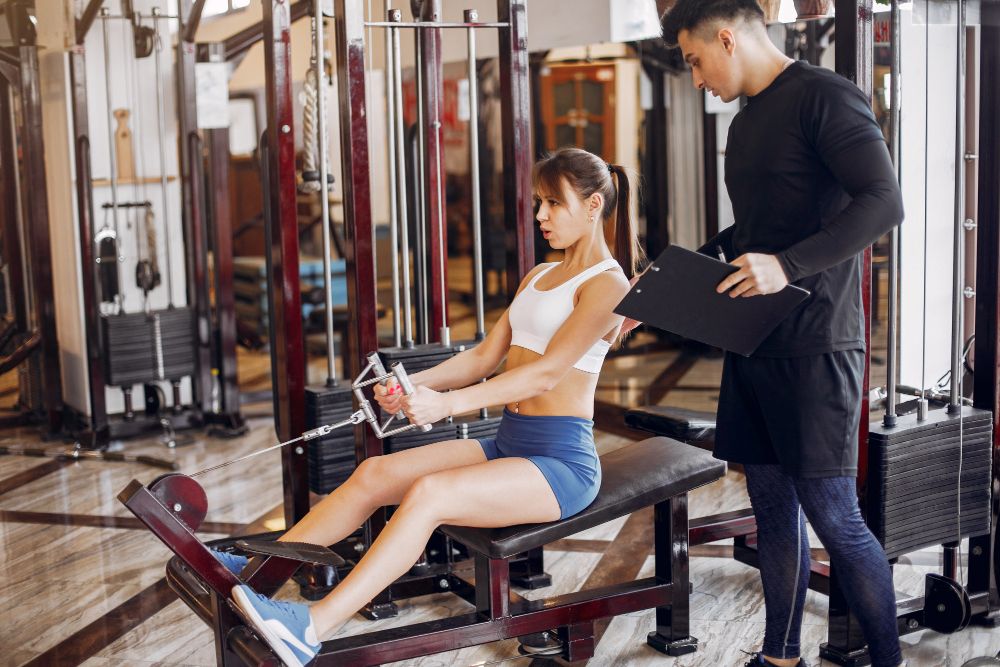
Picture this... we walk into a gym for the first time, see a squat rack, a few weights, and a room full of people who seem to know exactly what they are doing. Then someone asks us to squat. Easy enough, right? Well, not always. The way we move can tell a trainer quite a bit. That is where learning about movement screening during a Certificate IV in Fitness Darwin can become useful.
So, What Is Movement Screening?
Movement screening sounds a little technical, but the idea is actually pretty simple.
We watch someone perform a few basic movements and pay attention to how they move. It could be a squat, lunge, reach, bend, push, or balance exercise.
The trainer is not looking for a "perfect" body or trying to catch someone doing something wrong.
It is more about noticing things.
Maybe one side moves differently. Maybe the person finds it hard to stay balanced. Perhaps a certain movement feels awkward or takes more effort than expected.
That small bit of observation can help us understand how to approach training.
Why Should We Bother With It?
Here is the thing... people are different.
Two clients can walk into the same gym with almost the exact same goal, but their training needs may be completely different.
One person might happily drop into a squat. Another may feel unsure about it. Someone might have great balance but struggle with an overhead movement. Another person may need more time getting comfortable with basic exercises.
So, giving everyone the same workout and calling it a day does not always make much sense.
Movement screening gives a trainer something to work with. It can help us decide whether an exercise needs to be changed, simplified, or practised a little more.
Sometimes the answer is surprisingly simple.
What Happens During a Movement Screen?
No, we do not need a giant machine or a room full of gadgets.
Most basic movement screens involve simple exercises that a client can understand.
The trainer may ask the person to squat, step forward, reach overhead, balance, bend, or perform another basic movement. Then comes the important part... watching.
Does the person stay controlled?
Do they shift their weight?
Does one side look different from the other?
Are they comfortable with the movement?
We are not trying to turn a simple squat into a science experiment. We are just paying closer attention.
Does Every Different Movement Mean Something Is Wrong?
Not at all.
People have different bodies. We also have different habits, fitness levels, past experiences, and ways of moving.
A movement that looks unusual does not automatically mean there is a problem.
That is why trainers need to be careful about jumping to conclusions. If something does not look quite right, we can make the exercise easier, change the movement, or simply watch it again.
And if someone has pain or mentions an injury, that needs more care. A fitness trainer is not there to diagnose medical problems. Sometimes the sensible move is to refer the client to an appropriate health professional.
How Can It Help With Exercise Selection?
This is probably where movement screening becomes most useful in everyday training.
Let us say a client finds a particular squat variation uncomfortable. Instead of forcing them to keep doing it, we can take a step back.
Maybe a simpler version works better.
Perhaps the client needs to practise the movement without extra weight first. Or maybe another exercise can be used for now.
There is no medal for making every workout difficult.
A good session should make sense for the person doing it.
Why Should Future Trainers Learn About It?
Working with clients is not always as neat as a workout plan on paper.
One client may walk in feeling confident. Another might be nervous. Someone may have years of gym experience, while someone else is still learning how to adjust a bench. We have all been there.
Learning movement screening can help future trainers become better at noticing these differences.
For anyone looking into a Personal Training course Darwin, understanding how to watch movement and adjust exercises can be a useful part of learning how to work with real people, not just workout templates.
FAQs
1. Is movement screening only for experienced gym users?
No. Beginners can take part too. Basic movements can give a trainer a starting point when working with someone who is new to exercise.
2. Does movement screening hurt?
It should not be about pushing someone through pain. If a movement causes pain, the exercise should be stopped and the situation handled appropriately.
3. Can a trainer diagnose an injury through movement screening?
No. A trainer can observe movement, but diagnosing injuries or medical conditions is outside the usual role of a fitness professional.
4. Can movement screening change a workout?
Yes. A trainer may choose a different exercise, make a movement easier, adjust the technique, or spend more time practising a basic movement.
5. Do all clients need the exact same movement screen?
Not necessarily. The movements used can depend on the person, their training goals, experience, and the type of exercise they plan to do.