
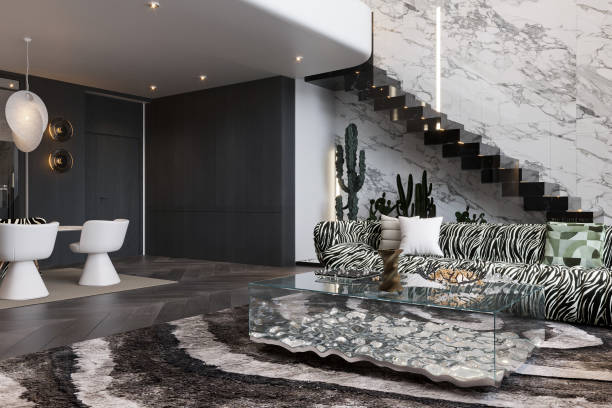
Interior design isn’t about throwing together nice furniture and hoping the lighting saves it. That’s the fast track to a space that looks expensive but feels confusing. I’ve seen it happen too many times. The real work, the part people skip because it’s not flashy, is concept development. When we worked on the Custom Home Dragon Residence, the biggest win wasn’t the marble slabs or the custom millwork. It was the early thinking. The messy sketches. The hard conversations. The part where you figure out what the space is actually supposed to be before you start buying things.
Why Concept Development Is the Backbone of Every Design Project
Concept development is basically the spine of the project. Without it, everything else just flops around. A strong design concept defines mood, function, flow, materials, and even the emotional tone of the space. Is it calm and grounded? Is it bold and dramatic? Is it built for entertaining or for hiding from the world? Those answers don’t magically appear once the sofa arrives. They’re decided early, and they guide every decision after that. Skip this step, and you’ll waste money fixing mistakes later. I’ve watched clients change tile three times because no one nailed the vision at the start. That’s not creativity. That’s chaos.
Turning Ideas Into a Clear Visual Direction
Everyone starts with ideas. Pinterest boards. Saved Instagram posts. Magazine tears. But ideas are scattered. A concept turns that mess into direction. It translates vague words like “modern but warm” into something usable. Maybe that means layered textures, muted neutrals, and softer architectural lines. Maybe it means limiting materials to keep it clean, but adding warmth through wood tones. The concept stage filters out what doesn’t belong. That’s the hard part. You don’t just collect inspiration. You edit it. You say no to things that look good on their own but don’t fit the story of the space.
And yes, I said story. Every strong interior has one, even if the client doesn’t call it that.
Aligning the Client’s Vision With Reality
Clients usually come in excited. Which is great. But excitement doesn’t equal clarity. Someone says they want luxury. Okay. Luxury how? Minimalist luxury? Old-world drama? Desert-modern calm? During concept development, we dig into that. We ask annoying questions. How do you live day to day? Do you host often? Do you hate clutter but somehow have a lot of stuff? These details matter more than people think. A design concept bridges dream and lifestyle. It keeps the finished space from feeling staged or impractical. Because if it looks incredible but doesn’t function, it fails. Simple as that.
Preventing Expensive Mistakes Later
This is the unsexy truth. Concept development saves money. When the design direction is clear, procurement becomes easier. You’re not second-guessing every finish. Contractors aren’t redoing work because the layout shifted halfway through. The budget stays steadier. That doesn’t mean there won’t be changes. There always are. But they’re adjustments, not full-on reversals. In large-scale residential design, especially custom homes, one wrong decision can ripple through the entire build. Ceiling details affect lighting plans. Lighting plans affect electrical. Electrical affects the budget. It’s all connected, whether people want to admit it or not.
Creating Cohesion From Room to Room
One of the biggest giveaways of poor planning is inconsistency. A dramatic living room. A random, safe kitchen. A bedroom that looks like it belongs in another house. Without a clear concept, each room becomes its own island. Concept development creates flow. That doesn’t mean every room looks identical. It means there’s a thread tying them together. Maybe it’s a consistent material palette. Maybe it’s architectural rhythm. Maybe it’s the way light interacts with surfaces throughout the home. Cohesion makes a space feel intentional. And intentional design always feels more expensive, even when it isn’t.
Supporting Collaboration With Architects and Builders
Interior design doesn’t happen in a vacuum. Especially not in custom home projects. Designers, architects, builders, trades — we’re all in it together, whether we like it or not. A well-developed concept gives everyone a shared reference point. It becomes the north star. When questions pop up on site — and they will — the concept helps guide decisions. Should this beam be exposed or concealed? Does this window alignment support the original design vision? Without that foundation, decisions get made in isolation. And isolated decisions rarely serve the bigger picture.
On projects like the Dragon Residence, concept boards weren’t decorative presentations. They were working tools. Something tangible to point back to when discussions got heated. Because they do. That’s normal.
Balancing Creativity With Practical Constraints
There’s this idea that concept development is all artistic and abstract. It’s not. It’s creative, yes, but it’s also grounded in reality. Budget, timeline, site conditions, structural limits — they all shape the concept. A smart designer doesn’t ignore constraints. They design within them. That’s where skill shows up. It’s easy to design without limits. It’s harder to create something cohesive and powerful when you have boundaries. But honestly, boundaries force better thinking. They refine the concept instead of letting it sprawl everywhere.
Adapting Concepts to Location and Lifestyle
Design doesn’t exist in isolation from geography. Climate, culture, and even the quality of natural light influence concept direction. In cities like Las Vegas, that desert environment plays a role, whether you plan for it or not. Strong Las Vegas Interior Design considers scale, sunlight intensity, indoor-outdoor flow, and how people actually use their homes in that setting. You can’t copy a coastal California concept and drop it into the desert without adjusting. It’ll feel off. Good concept development respects context. It responds instead of forcing a look that doesn’t belong.
The Emotional Impact of a Well-Defined Concept
This is the part people underestimate. A strong concept doesn’t just organise finishes. It shapes how a space feels. Walk into a home where the design direction was clear from day one, and you feel it immediately. There’s calm. Or energy. Or drama. But it’s consistent. The space supports the mood instead of fighting itself. That emotional clarity comes from early decisions. It’s built into ceiling heights, circulation paths, and sightlines. You can’t fix emotional disconnection with throw pillows at the end. By then, it’s too late.
Conclusion: Concept First, Everything Else Follows
If there’s one thing I’d push on any client or designer starting a project, it’s this: slow down at the beginning. Spend more time on concept development than you feel comfortable. Argue it out. Sketch it badly. Refine it again. Because once construction starts, changes get expensive and stressful fast. A well-developed concept doesn’t limit creativity. It focuses on it. It keeps the project aligned from the first drawing to the final install.
Interior design isn’t just about finishes and furniture. It’s about intention. And intention starts with a concept. Skip that, and you’re just decorating. Build it right, and the space actually means something. That’s the difference.