
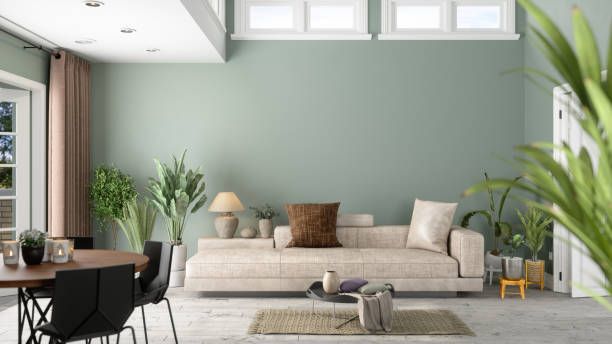
This question comes up early. Usually before we’ve even looked at the space properly. And I get it—you want a timeline, something to hold onto. But here’s the truth, it depends. In Las Vegas Interior Design, projects can move fast, yeah, faster than a lot of places, but “fast” is still not instant. A small refresh might wrap up in a few weeks if everything behaves. Bigger jobs… different story. Months. Sometimes longer. Not because people are slow, but because there are a lot of moving pieces that don’t care about your ideal deadline.
The Quick Estimate (With a Grain of Salt)
If you push me for numbers, I’ll give you rough ones. A single room, maybe 4–8 weeks. A full home, anywhere from 4 to 12 months. New construction can drift past that without even trying. These are not promises, just patterns. Real timelines stretch. Stuff gets delayed. A chair you loved suddenly goes out of stock. A contractor disappears for three days. It happens more than people expect.
The Design Phase Isn’t Just “Picking Things”
People underestimate this part all the time. They think it’s a few mood boards and done. Not really. There’s space planning, figuring out how you actually live in the space, testing ideas that sound good but don’t quite work. Then selections—materials, finishes, furniture. And revisions, always revisions. This phase can take a couple weeks or drag into a few months depending on how decisive things are. No way to sugarcoat that.
Ordering Everything… and Then Waiting
Once designs are approved, everyone relaxes for a second. Then the waiting starts. Furniture lead times can be annoying. Some pieces arrive in a few weeks, others take 3–4 months. Custom items? Even longer, easily. Shipping isn’t always smooth either. Delays at ports, warehouse issues, damaged items that need replacing—it’s not rare. This phase quietly eats time while nothing visible seems to be happening.
Construction Has Its Own Timeline
If your project involves any kind of build work, things slow down again. Not dramatically, but enough. Contractors juggle multiple jobs. Permits don’t rush for anyone. Inspections show up when they show up. Even small upgrades can stretch if coordination slips a bit. Then comes install—furniture delivery, styling, fixing small issues. Sounds quick, but it rarely is as quick as you think.
Size Changes the Whole Game
One room is manageable. A full home is… layered. Every additional space adds decisions, materials, coordination. It stacks up. Kitchens and bathrooms especially—they’re detail-heavy and not forgiving if something goes wrong. You can’t rush cabinetry or plumbing and expect a clean result. So yeah, bigger projects don’t just take longer, they get more complicated in ways people don’t see upfront.
Decisions Can Speed Things Up—or Kill Momentum
This part is a little blunt, but it matters. Projects move at the speed of decisions. If you approve things quickly, things move. If you sit on choices for a week or two each time, the whole timeline stretches. It’s not dramatic in the moment, but over months? It adds up. Designers can plan everything, but they can’t move forward without a green light.
Budget Has a Quiet Influence
Money doesn’t automatically make things faster, but it does remove friction. Better vendors, quicker shipping options, fewer compromises. Tight budgets mean more back-and-forth, more substitutions, sometimes reworking plans halfway through. That slows things down a bit. Not terrible, just… noticeable.
Custom Work vs Off-the-Shelf
Custom pieces are great. They fit right, look right, feel more personal. But they take time. Weeks turn into months pretty easily here. Ready-made furniture can speed things up, assuming it’s in stock. Most projects land somewhere in between, which is why timelines end up being… kind of average, not super quick, not painfully slow either.
The Team You Choose Matters More Than You Think
A good team won’t promise unrealistic timelines, but they will keep things moving without unnecessary chaos. They’ve seen the common problems already, so they avoid them. Communication is tighter, decisions are clearer, fewer surprises. That’s part of why people work with a Luxury Interior Design Studio in Las Vegas—not just for the final look, but for a process that doesn’t feel messy all the way through. It’s still a process, just a more controlled one.
So, What Should You Actually Expect?
Expect some waiting. Expect a few delays. Expect moments where it feels slow, then suddenly everything happens at once. That’s pretty normal. Good design isn’t rushed, and trying to force speed usually backfires somewhere—quality, cost, or both. If the timeline feels a bit longer than you hoped, it’s probably because things are being done properly.
Conclusion
At the end of it, there’s no fixed timeline that fits every project. Too many variables—scope, decisions, materials, people involved. In Las Vegas Interior Design, things can move efficiently when everything lines up, but even then, it takes time to get it right. And honestly, it should. A space you live in every day? Rushing that just to save a few weeks… not the best trade. Better to let it come together the way it’s supposed to, even if it takes a little longer.