
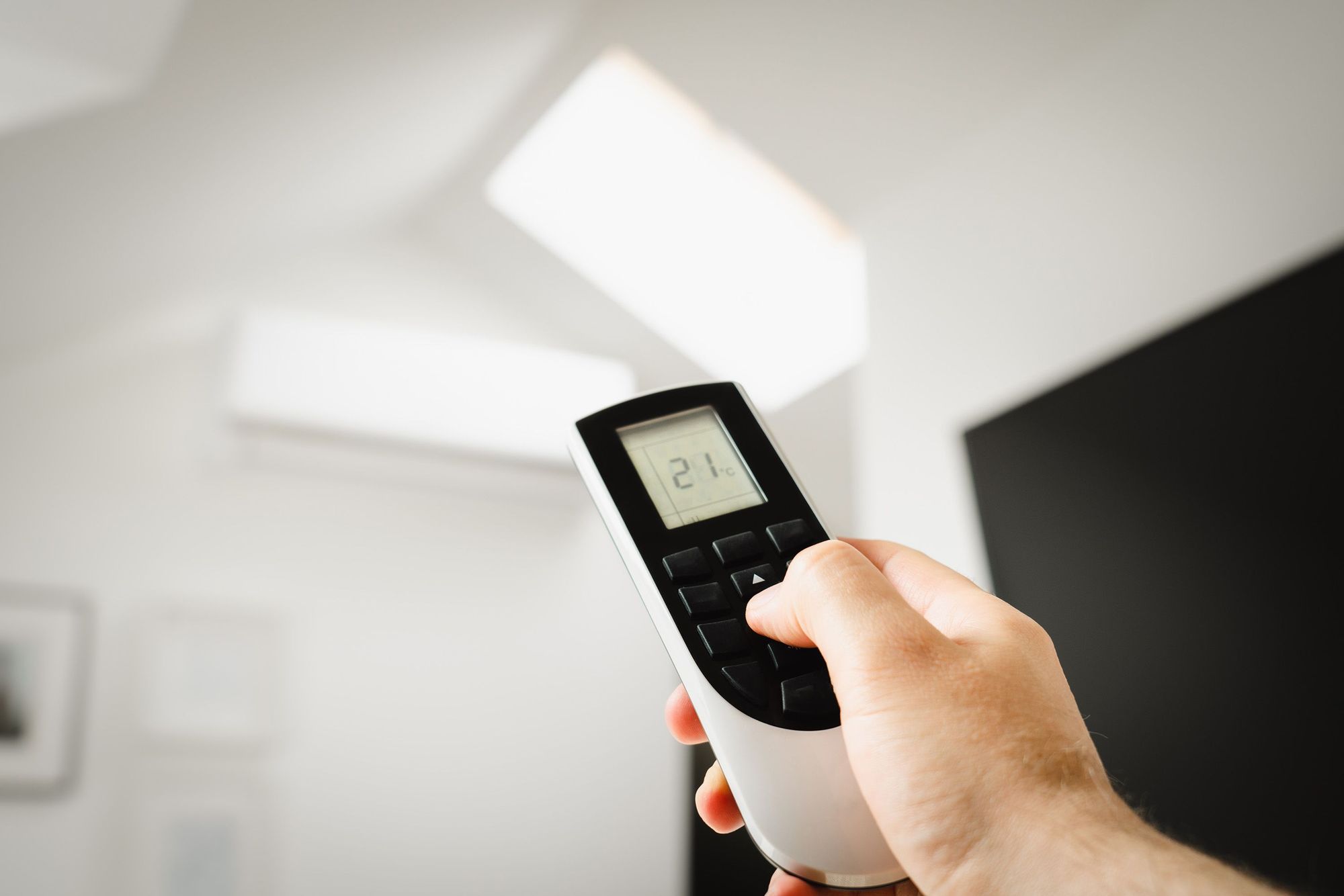
Summer heat is annoying, sure. But humidity? That’s the part that really gets under your skin. Makes everything feel heavier than it should. A lot of people assume their system is failing when the house feels off, and yeah, sometimes it is—but not always. I’ve had people call ac installers in Hastings Point convinced their unit is dying, when honestly, it’s just the humidity pushing things past comfort. Happens more than you’d think.
What Humidity Is Really Doing Behind the Scenes
Here’s the thing people don’t always realize—your AC isn’t just cooling air. It’s also pulling moisture out of it. That’s part of the deal. But when summer hits and humidity climbs, that job gets harder. Way harder. The system keeps running, trying to keep up, but it doesn’t always win. You end up with air that’s technically cool but still feels damp. Not refreshing. Just… weirdly sticky.
Why “Cool” Doesn’t Always Feel Comfortable
This is where it messes with your head a bit. You look at the thermostat and it says 22°C. Should feel fine, right? But it doesn’t. Feels warmer. That’s because your body can’t cool itself properly when there’s too much moisture in the air. Sweat doesn’t evaporate like it should. So even if your AC is doing its job on paper, your comfort says otherwise. And yeah, people crank it lower thinking that’ll fix it. It usually doesn’t.
Your System Ends Up Working Overtime
When humidity is high, your AC doesn’t get much downtime. It keeps cycling, longer than normal, sometimes almost constantly. That puts stress on everything—compressor, fan motor, the whole lot. It’s not always obvious right away. But over time, things wear out faster. You might think it’s just “old age” when parts fail, but a lot of that wear comes from running too hard, too often. Bit of a slow burn problem.
Energy Bills Start Sneaking Up
You don’t notice it day to day. But then the bill shows up. And yeah… not great. When your system is running longer cycles trying to handle both heat and humidity, it pulls more power. There’s no real way around that. Even if you haven’t changed how you use it, the cost creeps up. People blame the provider, or tariffs, but humidity plays a quiet role in that spike.
Sizing Issues Make Everything Worse
This part gets ignored a lot. If your AC is too big, it cools the room fast, then shuts off before removing enough moisture. So you’re left with cold, damp air. Not comfortable at all. If it’s too small, it just runs endlessly and still can’t keep up. Neither situation works. Proper sizing isn’t just a technical detail—it’s the difference between a system that feels right and one that never quite gets there. And yeah, humidity is a big part of that equation.
Little Signs People Tend to Ignore
You can usually tell when humidity is the problem, even without tools. The air feels clammy. Windows fog up a bit. Maybe there’s a faint musty smell, nothing strong, just… there. And your AC keeps running but never really satisfies. That’s the big one. It’s not about temperature, it’s about feel. People ignore it, assume it’s just “summer being summer.” Not always true.
What Actually Helps (Without Overcomplicating It)
You don’t need to overthink this. Start simple. Clean filters, clear airflow—basic stuff, but it matters. If your system can breathe properly, it works better. A separate dehumidifier can help too, especially in really sticky conditions. Takes some load off your AC. And if things still feel off, get the setup checked. Not just for faults, but for sizing and airflow balance. Sometimes it’s a small fix, not a full replacement. People jump to the expensive option too fast.
Why Location Changes Everything
This is where context matters. If you’re near the coast or in a humid pocket, your system is dealing with more moisture from the start. It’s not a level playing field. Homes dealing with Air Conditioning in Banora Point run into this kind of thing pretty regularly. It’s just the environment. The setup has to match that reality, otherwise the system is always playing catch-up, and losing, slowly.
Conclusion
Humidity doesn’t just make things uncomfortable—it changes how your whole AC system behaves. Makes it work harder, run longer, cost more, and still not feel quite right. That’s the frustrating part. If your place feels off in summer, don’t assume the unit’s broken straight away. Could be. But there’s a good chance humidity is the real issue sitting in the background. Deal with that, and things usually start to feel normal again. Or at least… closer to it.