
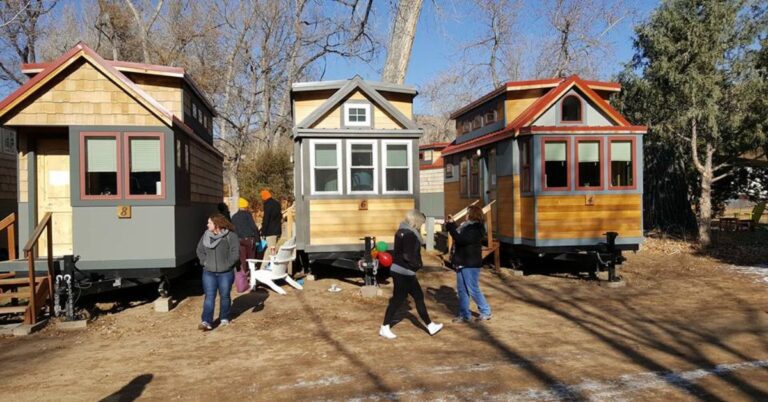
Tiny homes look easy. That’s the trap. From the outside, it’s just a smaller box, right? Less space, fewer materials, done. But once you start thinking about actually living in one, things get tight real fast. Corners matter. Inches matter. And yeah, this is where tiny house experts quietly make a huge difference, even if nobody notices at first.
Why Planning Matters More Than Size
People assume smaller means simpler. Not really. It just means every mistake shows up quicker. In a big house, you can ignore a bad layout choice for years. In a tiny one, it annoys you by day two. A door swings the wrong way, now you’re adjusting your whole routine around it. A window in the wrong spot, and suddenly the room feels boxed in. Good planning cuts this stuff off early. It’s less about drawings and more about, “will this actually work on a random Tuesday morning?”
Understanding How People Actually Live
This part gets weirdly personal, and it should. Good planners don’t just ask what you want, they kind of dig into how you live. Messy habits, daily routines, the stuff people usually gloss over. Like, do you cook proper meals or just reheat things? Do you work from home sometimes? Where do your bags go when you walk in? Tiny homes don’t forgive fantasy versions of yourself. If you design for some ideal routine you hope to follow, it’ll fall apart. Fast.
Smart Layouts Beat Fancy Features
You’ll see a lot of clever ideas online. Fold-away beds, sliding everything, hidden compartments all over. Looks impressive. But if the base layout is off, those tricks just become… extra effort. A good layout feels almost invisible. You move around without thinking. Nothing blocks your path, nothing feels forced. It’s not exciting, honestly. But it works. And that’s the whole point, isn’t it?
Storage Isn’t Extra, It’s Everything
Storage in a tiny home isn’t something you “add later.” That’s a mistake. It has to be baked in from the start. Under steps, inside seating, above door frames—anywhere that makes sense. And even then, it’s not just about cramming stuff in. If it’s hard to reach or awkward to use, you won’t use it. Then your space starts filling up anyway. I’ve seen it happen. Good planning avoids that by making storage feel normal, not like a workaround.
Utilities Need Real Thought (Not Guesswork)
This is the boring bit people skip. Water lines, electrical setup, heating, airflow. Not fun to think about, but if it’s wrong, you’ll notice every single day. In a tiny space, you don’t get much margin for error. You can’t just “hide” bulky systems somewhere. Everything needs to be placed with intention. Where does the water tank go so it doesn’t eat into living space? How do you keep wiring clean without sacrificing access later? These decisions stick.
Light and Space Go Hand in Hand
Natural light does a lot of heavy lifting in small spaces. You feel it immediately when it’s missing. A tiny home without enough light just feels… closed in. Kind of dull. Planning fixes that. Windows where you actually need them, not just for symmetry. Maybe a skylight if it makes sense. Even ceiling height plays into it more than people expect. You’re not adding space, exactly, but it feels like you did. That illusion matters.
Material Choices Make a Bigger Difference Than You Think
Every surface in a tiny home is right there in front of you. You notice everything. So yeah, materials matter. But it’s not just about looks. Weight becomes an issue, especially for mobile setups. Durability too—things wear out faster when they’re used constantly in a small area. Experts don’t just pick what looks good in photos. They think long-term. What holds up, what’s easy to maintain, what won’t become a problem six months in.
Budget Planning Keeps the Whole Project Real
Budgets… yeah, they slip. Almost always. But without a plan, they don’t just slip, they go completely off track. Proper planning breaks things down early. Materials, labor, permits, transport—stuff people forget to include. And there’s always something unexpected, so leaving a bit of room helps. Otherwise you end up cutting corners halfway through, which usually ruins parts of the design. Seen that too many times.
Working With the Right Builders Changes Everything
Even a solid plan needs the right hands to build it. That part’s underrated. Experienced builders don’t just follow instructions, they catch things. Small issues, early. They adjust without throwing everything off. Especially with tiny house builders in Colorado, where weather and land conditions can mess with your timeline, having people who’ve dealt with it before… it just makes life easier. Less back-and-forth, fewer surprises.
Flexibility Matters More Than Perfection
No plan survives exactly as it was drawn. Something changes. Maybe a material isn’t available. Maybe a detail just doesn’t feel right once it’s built out. That’s normal. Good planning allows for that without everything falling apart. It’s not rigid. You can shift things a bit and still keep the overall design intact. That flexibility? It’s kind of what saves the project in the end.
Conclusion
Tiny homes aren’t just smaller houses. They’re tighter, more demanding, less forgiving. Which is why planning matters so much more than people expect. When it’s done right, you don’t really notice it—you just feel comfortable in the space. Things work. Nothing gets in your way. And that’s really the goal here. Not perfection, just a home that actually fits the way you live.