
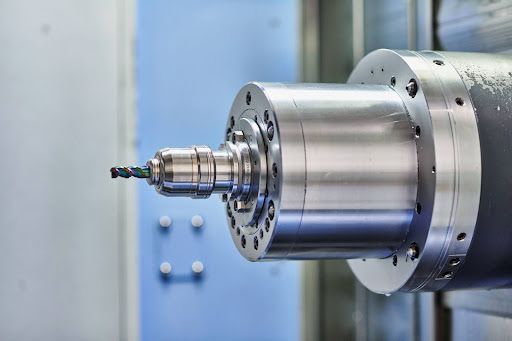
Let’s be real: precision is easy when you’re making five parts. It gets messy when you’re making fifty thousand. That’s where things usually fall apart. Tolerances drift, tools wear down, operators get tired. But Swiss style CNC machining kind of flips that whole script. It’s built for repetition. Not just fast repetition, but controlled, almost stubbornly consistent production. You don’t get lucky with it—you get predictable results, again and again. And in manufacturing, predictability is gold.
Why Swiss-Style Machines Are Built Differently
The short answer is support. That’s the big idea behind Swiss-style machining. Unlike traditional lathes, where the workpiece sticks out and can flex, Swiss machines guide the material right near the cutting tool. That guide bushing—it’s doing a lot more than people think. It keeps everything stable, tight, controlled. Less vibration. Less deflection. Fewer surprises. So when you’re cutting long, thin parts, which are usually a nightmare, Swiss machines handle them like it’s nothing special. That stability is the first step toward consistency. Without it, you’re just chasing errors all day.
Consistency Comes From Control, Not Luck
Here’s the truth: consistency isn’t about running the same program over and over. Plenty of shops do that and still end up with scrap bins full of bad parts. Swiss machining goes deeper. Everything is dialed in. Tool paths are precise, movements are tight, and machines are designed to minimize variation from the start. You’re not correcting problems later, you’re preventing them upfront. And yeah, automation plays a role. Once the setup is right, the machine just keeps going. No second-guessing. No, “that looks a bit off today.” It just runs. That’s how you get identical parts, whether it’s the first piece or the ten-thousandth.
The Role of Guide Bushings in Accuracy
It’s worth slowing down here for a second because guide bushings are kind of the unsung hero. They don’t get much attention, but without them, Swiss machining wouldn’t be what it is. They hold the material firmly right at the cutting point. That means no bending, no chatter, no weird deviations. Even when you’re working with tiny diameters or delicate materials, the machine stays steady. And steady equals accurate. It’s not complicated, but it’s powerful.
Scaling Production Without Losing Precision
Scaling is where most machining processes struggle. You start strong, then things drift. Tools wear. Heat builds up. Tiny variations creep in, and suddenly your tolerance window starts shrinking. Swiss machines handle this better because they’re designed for long runs. Cooling systems, chip control, tool monitoring, it’s all part of the setup. The machine isn’t just cutting, it’s managing the environment around the cut. So when production ramps up, accuracy doesn’t drop off a cliff. It holds. Maybe not perfect forever, nothing is, but a lot longer than conventional setups.
Mid-Run Reliability and Swiss Turn Parts
Now let’s talk about something practical. When shops produce Swiss turn parts, they’re usually dealing with high volumes and tight specs. Medical pins, aerospace connectors, tiny fasteners, you don’t get much room for error. And here’s where Swiss machining really shows off. Mid-run reliability is strong. You don’t have to stop every hour to tweak something. The parts coming out at hour six look a lot like the ones from hour one. That matters more than people think. Because stopping a machine isn’t just downtime—it’s risk. Every adjustment opens the door for new variation. Swiss systems reduce that need. They just… keep going.
Automation and Repeatability Go Hand in Hand
Automation gets thrown around a lot, but in Swiss machining, it actually means something. These machines are often running with minimal human input once everything is set. Bar feeders keep material flowing. Tool changers handle transitions. Sensors catch issues before they turn into real problems. It’s not fully hands-off, but it’s close enough that human error isn’t constantly in the mix. And honestly, that’s a big deal. People make mistakes. Machines—well, they make the same “decision” every time. That repeatability is what keeps parts consistent at scale.
Tight Tolerances, Less Rework
Let’s not pretend rework doesn’t happen. It does. But with Swiss machining, it happens less. Way less, if things are set up right. Because the process is so controlled, parts come out closer to spec the first time. That means fewer adjustments, less scrap, and less time fixing what went wrong. And when you’re producing thousands of parts, even a small reduction in rework adds up fast. Less waste, better margins, fewer headaches. It’s not flashy, but it’s effective.
Conclusion
So, how does swiss style CNC machining ensure consistency and accuracy at scale? It’s not one thing. It’s a mix of machine design, guide bushings, automation, and just a smarter approach to handling material. That’s exactly why swiss turn parts are known for their reliability in high-volume production. The system is built to remove variables. That’s really what it comes down to. Less movement where you don’t want it, more control where you do. And when you scale up, that control doesn’t disappear, it holds steady. Truth is, no machining process is perfect. There’s always some level of variation. But Swiss-style machining gets pretty close to eliminating the stuff that causes problems. And in high-volume production, that’s exactly what you need.