
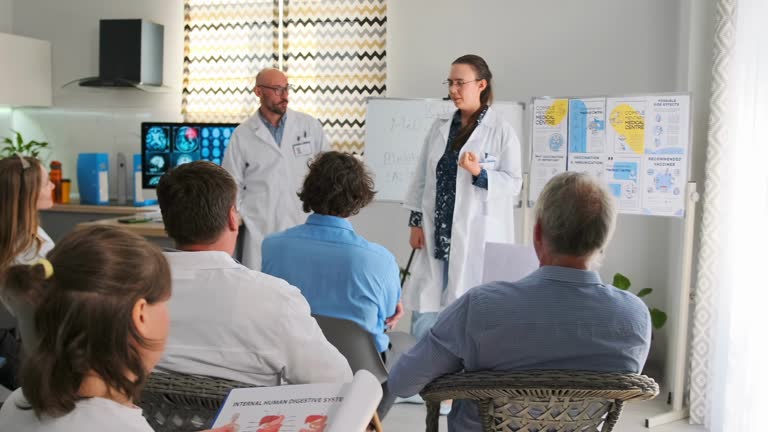
Getting an online nursing education is not always the easiest thing to do. Not everyone can easily keep up with a traditional classroom schedule with busy schedules of their own. Others may live too far away to make a daily commute. Online education can help. Students looking for online LPN courses near me in Florida can take advantage of a program that offers a bit more flexibility without sacrificing the education. Students can study, learn, do clinicals, and get the hands-on practice that they need, but they might be able to do some of it from the comfort of their own home. However, that does not mean that those who become practical nurses are just sitting at home watching a computer screen. They will have classroom work to do, the clinicals, and the studying, but online education can help make it more manageable.
Flexible Learning Allows Easier Access to Studying Nursing
Flexibility: Online learning is one of the most flexible choices you can make because traditional classroom-style class schedules can be problematic for students with full-time jobs or children to care for. Online coursework allows students to choose the time of day to complete assignments or go back and review lessons. Certain online programs may allow students access to recorded lectures, online tests, and other study resources and materials, anytime, day or night. This is important because, as your schedule gets hectic, you might choose to study after work or complete your lesson plan in the mornings when you are free. Flexibility doesn't mean students can avoid deadlines or completely eliminate study time, but having the ability to work when it suits you may reduce stress and make time management easier.
E-learning Tools Support Students Learning the Basics of Nursing
A strong grasp of the fundamentals is essential for practical nurses. Understanding the workings of the human body (anatomy and physiology), how diseases affect the human body, medication and treatment types, infections, and basic patient care are necessary for practicing nurses. Educators using online classes can break down complex topics into tiny lessons that are more easily digested and reflected upon. Students can press pause, rewind, or pause and replay a digital presentation an unlimited amount of times. This is invaluable, especially when a complex topic requires additional processing time. Not everyone absorbs information at the same pace, and it's always better to give students the extra time they need to absorb a new concept than it is to rush through an entire classroom full of students. Quizzes and practice exercises can also be used to help students evaluate whether they need additional practice before moving ahead.
Improved Time Management Fosters Good Study Habits
There is so much information that a student needs to learn while getting a degree, and few can learn it all last minute. Classroom-based online learning allows students to learn the importance of developing good time management skills because they are often responsible for managing their study schedules. Students will need to set aside certain hours of the day or week for reading and classwork, reviewing lecture notes, or preparing for tests. They will learn to be accountable for their progress. For example, a practical nursing student could plan a schedule where they devote an hour each day to studying in short sessions rather than cramming five chapters into two hours. Not only would that make it easier for students to learn, but it would help them maintain their composure and alleviate some of the stress of becoming a nurse. These skills can carry on even after college. Nurses who work in hospitals and clinics have to juggle patient care, documentation, shifts, and continuing education. The earlier they start practicing organizational skills, the more prepared they will be when they are working on the floor.
Digital Learning Tools Encourage Independent Thinking
Online courses don't just contain recorded lectures and reading assignments. Students can analyze simulated case studies, learn through discussion boards and educational videos, and utilize online flashcards and practice questions. These types of activities can help students learn to think through common medical scenarios as opposed to simply memorizing definitions. For example, an online case study might tell a student that a patient is experiencing nausea, diarrhea, and fever and then ask what type of information should be reported to the patient's nurse. This type of exercise can sharpen observation, critical thinking, and problem-solving skills and may also prepare students for what they will see in their clinicals. But online courses can't provide the full experience of working with a real patient. They are just a part of the picture. All the skills and preparation the student receives from a clinical can help give them the confidence needed to care for real patients.
Online Education Still Needs Hands-On Clinical Training
Here's something students should be aware of before they start courses: Practical nurses work with real patients. While coursework over the internet can clarify the processes in which practitioners should handle medications, ensure patient safety, and perform the role of a nurse, online studies can't prepare students for the real-world encounters they will be faced with in a practical nursing program. Online courses that are part of a practical nursing program provide clinical experiences that will teach students how to work with patients, how to record and take vital signs, how to observe infection control procedures, and how to care for patients in general. Students can learn what it's like to work in a health-care environment, and what to expect when communicating with other healthcare specialists. Since patients don't have a standard schedule in life, having another student program that prepares students for when there's a change, when a patient isn't feeling well, or when instructions aren't as clear as they need to be.
Communication and Technology Skills Prepare Students for Modern Healthcare
A huge part of healthcare is communication, record keeping, and having the right tools and equipment available. Nurses often have to interact with electronic health records, online appointment management, information-sharing websites, and other tools used by clinics, hospitals, and other workplaces. Online courses teach students how to become accustomed to using these tools before they are immersed in clinical care. They will learn how to navigate their courses' websites and upload content and material for their classes, how to communicate with teachers and when to use online discussion boards, and how to start conversations with instructors when they need help. While such tasks might seem pedestrian in your average college course, they can be useful to learn before going on to become a practical nurse, and communication can be very important in a healthcare setting where errors or misunderstandings in communication can prove to be deadly.
More Than Convenience, The Right Program is Key
Not all online nursing programs are created equal. Prospective students should evaluate all aspects of each program, not just flexible schedules and course descriptions that sound good. Regionally accredited programs and approval by the state of Florida are important, as are the process for placing students in clinical sites, the cost of tuition, faculty credentials, and graduation requirements. For practical nursing students in Florida, it is wise to confirm that the program has Florida Board of Nursing approval, adequately prepares students for state licensure, and how the school's clinicals will be scheduled. How much time is spent on campus at labs or clinical sites? How many students are assigned to each clinical site? In the end, all of the professional and practical issues that make the choice of a traditional or online program important are key to establishing if such a program is right for that student.
Conclusion: Building a Stronger Path Toward a Nursing Career
Online learning can help give practical nursing students more options, especially those who are trying to make education fit into a busy work-family life. With flexible schedules, online resources, and even the chance to learn how to be an independent learner, online courses can be a helpful part of practical nursing students' experience. Just remember that, when it comes to practical nursing preparation, online learning is just one piece of the puzzle – quality training, clinical experience, accredited programs, and access to licensure are also essential. Those trying to decide where the best nursing schools are in Florida should also explore the top nursing schools in Florida and look at factors like whether the programs require in-person training, what kinds of student services they offer, what sort of clinical opportunities are available, and overall program quality. In short, online learning can be a piece of the puzzle, but the practical nurse's success ultimately depends on proper, hands-on training.