
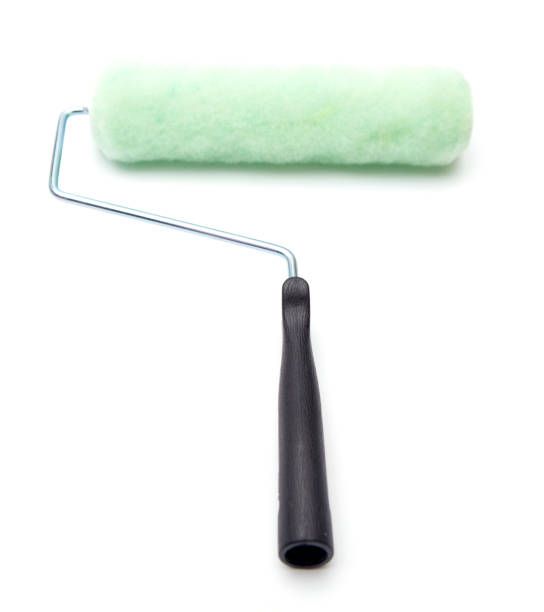
Big rollers look like a shortcut. Cover more wall, finish faster, get out. That’s the idea, anyway. But I’ve seen plenty of paint jobs go sideways just because someone grabbed a larger roller and didn’t adjust how they worked. Especially with an 18 inch roller nap, things change—pressure, loading, even how your arm moves. Ignore that, and yeah… you end up with streaks, heavy texture, or paint that just looks off. Not ruined, maybe. But not clean either. Let’s get into the usual mistakes people make with these big nap rollers, because most of them are avoidable if you just know what’s going on.
Using Too Much Pressure Without Realizing It
This one’s probably the biggest issue. People think bigger roller means push harder to spread more paint. Doesn’t work like that. A large nap roller already holds more paint than a standard one, so when you lean into it, you’re basically forcing paint out unevenly. That’s where those thick lines and weird ridges come from. The roller should glide, not fight you. Light pressure, let the nap do its thing. If your arm feels like it’s doing a workout, you’re doing too much. Simple as that.
Overloading the Roller and Creating Drips Everywhere
More paint isn’t always better. Actually, it rarely is. With a large nap, especially something like an 18-inch frame, it’s easy to dunk too deep and pull out a roller that’s dripping before it even hits the wall. Then you get runs, splatter, and a mess along the baseboards. Load it evenly, roll it out in the tray a few times. Take a second. That extra step saves cleanup time later, which nobody enjoys anyway.
Ignoring Surface Type When Choosing Nap Thickness
Not all surfaces need a thick nap. This is where people mess up without even noticing. A large nap roller is great for rough walls, textured ceilings, concrete—stuff that actually needs that reach. But use it on a smooth drywall finish? You’re going to leave a heavy texture behind. Almost like an orange peel you didn’t ask for. Match the nap to the surface. Bigger isn’t automatically better. Sometimes it just makes things look sloppy.
Working Too Fast and Losing Control
There’s this urge to move faster with bigger tools. Makes sense in your head. Bigger roller, bigger strokes, quicker job. But what happens is you lose control of the paint distribution. You miss spots, overlap gets uneven, and suddenly you’re chasing your own mistakes across the wall. Slow it down a bit. Long, steady passes. Keep it consistent. Speed comes after you get the rhythm, not before.
Skipping the Back-Rolling Step
A lot of people skip this because it feels unnecessary. It’s not. Back-rolling—going over the area again without adding more paint—helps even things out. Especially important with large nap rollers since they lay down more paint at once. Without that second pass, you’ll see patchiness once it dries. Not always obvious right away, which is worse. You think it’s fine… until the light hits it later.
Not Maintaining a Wet Edge
This one’s subtle but it matters. When you’re painting, you want each new pass to blend into the previous one while it’s still wet. With large rollers, people often cover big sections and then come back to fill gaps. By then, the paint’s already started drying. That’s how you get lap marks. Keep a wet edge. Work in sections, overlap slightly, don’t jump around too much. It’s a bit of discipline, honestly.
Using the Wrong Extension Pole or No Pole at All
Trying to control an 18-inch roller without an extension pole? That’s rough. You lose leverage, your angles get weird, and pressure becomes inconsistent. On the flip side, a cheap or flimsy pole can make things worse too. You want something solid, comfortable, not bending every time you push forward. It sounds minor, but it changes how evenly that roller hits the surface.
Applying the Same Technique to All Coatings
Different coatings behave differently. Latex wall paint isn’t the same as primers, sealers, or heavier coatings. And definitely not the same as epoxy. People often stick to one method and expect it to work across the board. Doesn’t happen. For example, when you’re working on floors and trying to find the best roller for epoxy floor applications, technique matters just as much as the tool. Epoxy needs even distribution, controlled rolling, and zero overworking once it starts setting. A large nap roller can help, but only if you adjust how you use it.
Forgetting to Clean or Prep the Roller Properly
This one’s basic, but it still gets skipped. New rollers often have loose fibers. If you don’t clean or at least tape them off before use, those fibers end up stuck in your paint. And once they’re on the wall, good luck getting them out cleanly. Same goes for reusing rollers that weren’t cleaned well. Old paint, hardened spots—it all shows up in the finish.
Conclusion
Large nap rollers are great tools. They really are. When used right, they speed things up and give solid coverage, especially on rough surfaces. But they’re not forgiving. Small mistakes get amplified, and suddenly the job looks worse than if you’d just used a standard roller and taken your time. Most of the issues come down to control—pressure, paint load, movement. Get those right, and the tool works with you, not against you. Mess them up, and yeah… you’ll see it on the wall.