
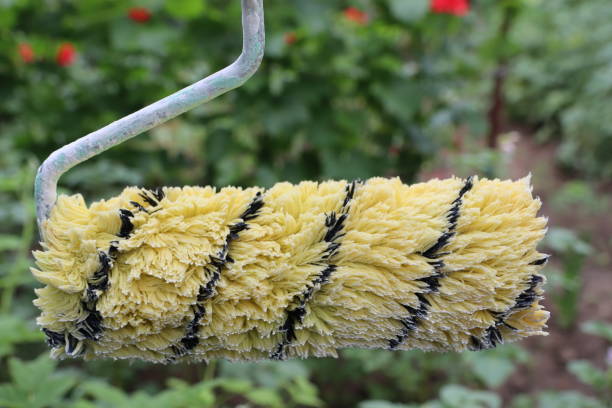
High-volume painting work is all about speed, consistency, and not losing your mind halfway through a job. Anyone who’s been on-site long enough knows—tools either make your life easier or quietly slow you down. Somewhere in that mix, the paint roller refillable system keeps popping up. People talk about it like it’s the next big efficiency hack. But let’s be honest, not every “upgrade” is actually an upgrade. Some just look good on paper. So yeah, are these refillable roller systems really worth it when you’re pushing through large-scale work? Or just another thing to clean at the end of the day.
What Refillable Roller Systems Actually Do (And Don’t Do)
At a basic level, refillable rollers are designed to hold paint inside the roller or handle, feeding it directly into the nap as you work. Sounds simple. And in theory, it cuts down those constant trips back to the tray or bucket. But here’s where it gets real—what they promise and what they deliver can feel a bit different depending on the job. On smooth walls, they glide fine. On rougher surfaces, not always. You might still find yourself going over spots again. The idea is efficiency, but it’s not magic. If your prep is bad, or your paint is too thick, no system is saving you.
Speed: Where They Actually Shine (Sometimes)
If you’re working on big, open walls—warehouses, long hallways, new builds—this is where refillable systems start to make sense. Less stopping. Fewer reloads. You get into a rhythm and just keep moving. That matters more than people admit. Those small pauses add up over hours. Still, it’s not always smooth sailing. Refilling the system itself can slow you down if you’re not used to it. First couple jobs? You’ll fumble a bit. Maybe spill more than you’d like. But once you get the hang of it, yeah, it can shave off time. Not insane amounts, but noticeable.
Mess, Cleanup, and the Stuff Nobody Mentions
Here’s the part most people skip over when hyping these tools—cleanup. A traditional roller? You rinse it, maybe toss the sleeve if it’s cheap. Done. Refillable systems, though, they’ve got internal parts. Channels, valves, whatever design they use. Paint gets in there. And if you don’t clean it properly, it builds up. Fast. That means more maintenance at the end of the day. For some crews, that’s fine. For others, especially when everyone’s tired, it turns into a problem. So yeah, you save time during application, maybe. But you give some of that back during cleanup.
Cost vs Value: Not the Same Thing
Let’s talk money for a second. Refillable rollers usually cost more upfront. No surprise there. The pitch is long-term savings—less wasted paint, fewer roller dips, more efficiency. But whether you actually see that value depends on how often you’re using it. If you’re doing high-volume work regularly, it starts to justify itself. If not? It’s probably overkill. Also, replacement parts aren’t always cheap. And not every system is built to last. Some feel solid. Others… not so much. You don’t want to be mid-job and dealing with a clog or a leak.
Skill Level Matters More Than the Tool
This might sound blunt, but it’s true—a good painter with a basic roller will outperform a beginner with a fancy refillable system. These tools don’t fix technique. They just amplify whatever you’re already doing. If your pressure is uneven, you’ll see it. If your coverage is patchy, same deal. In high-volume work, consistency matters more than speed alone. So unless your crew already knows what they’re doing, switching tools won’t magically boost productivity. It might actually slow things down at first.
Where Traditional Tools Still Win
There’s a reason standard rollers and even basic trays are still everywhere. They’re simple. Reliable. Hard to mess up. And in tighter spaces, detailed areas, or smaller jobs, they often work better. No setup, no learning curve. Just dip and roll. Also, when you pair them with quality brushes—especially when you find solid paint brushes for sale that actually hold paint well—you get control that refillable systems can’t always match. Edges, corners, touch-ups… those still belong to traditional tools, no question.
So, Are They Worth It for High-Volume Work?
Short answer? Sometimes. Longer answer—it depends on your workflow, your crew, and the kind of jobs you’re taking on. If you’re constantly dealing with large, open surfaces and you’re willing to deal with a bit more cleanup, refillable rollers can help. They’re not a game-changer, but they’re not useless either. Kind of sit in that middle ground. Helpful, not essential.
Conclusion: Practical Over Hype, Always
At the end of the day, tools should make your work easier, not more complicated. Refillable roller systems do have their place, especially in high-volume situations. But they’re not some must-have upgrade everyone needs to jump on. Try one. See how it fits your process. If it speeds you up without creating extra headaches, keep it. If not, there’s nothing wrong with sticking to what already works. Most pros do exactly that, and they’re not struggling.